Ninety days is the length where lodging stops being a detail and starts being your life. A week in a hotel is fine. Three months in one is a different thing entirely. The extended stay hotel vs crashpad TDY decision comes down to four numbers — your lodging ceiling, your meals and incidental expenses (M&IE) rate, the taxes and fees nobody quotes you up front, and what happens when your orders change. If you have never stayed in one, start with what a military crashpad actually is, then come back and run the math here.
This article is a worksheet, not a sales pitch. We are not going to quote you a nightly rate we made up. Rates change by city, by season, and by fiscal year. What does not change is the arithmetic, and the arithmetic is where most travelers get surprised. If you want a broader side-by-side that includes government quarters, read the crashpad vs. Air Force Inns vs. Airbnb comparison. If you already know your base and dates, you can post the stay and let local hosts bid while you keep reading.
What does the extended stay hotel vs crashpad TDY choice actually decide?
Here is the part people get wrong: on a standard temporary duty (TDY) voucher, lodging is reimbursed at actual cost, up to the ceiling. You do not pocket the difference. If the ceiling is the ceiling and the hotel charges exactly that, the government pays it. If a crashpad charges less, the government pays less. Your bank account looks the same either way.
So the extended stay hotel vs crashpad TDY question is not usually "which one makes me money on lodging." It is four other questions:
- Does the nightly rate fit under the ceiling, every night, including the weeks when the city gets expensive? Anything over the cap comes out of your pocket unless your approving official authorizes an actual-expense allowance.
- What do the add-ons do to the total? Lodging tax, parking, pet fees, resort fees, and "housekeeping" charges are not always covered the way you assume.
- Do you have a real kitchen? M&IE is a flat daily amount. Cook and you keep the difference. Eat out three times a day for 90 days and you will not.
- What happens when the course slips, or you wash back, or the jet breaks and you are there two more weeks? That is a lease-terms question, and it is worth real money.
Over seven nights, none of this matters much. Over 90, all of it compounds.
Which rules decide the money on a 90-day TDY?
Four rules do most of the work. Read them once and you will stop guessing.
1. Lodging is capped; M&IE is flat
The lodging ceiling is a maximum reimbursement, not an allowance. M&IE works the opposite way — it is a flat daily rate (reduced on travel days and for provided meals), and what you do not spend, you keep. Pull both numbers for your exact city and dates with the TDY per diem calculator before you shop for anything. Rates are seasonal in a lot of towns, so a 90-day window can straddle two different ceilings.
2. Lodging tax is usually separate in CONUS — laundry is not
Inside the continental United States, lodging tax is generally a reimbursable expense on top of the lodging ceiling, with a receipt. Laundry and dry cleaning in CONUS are not separately reimbursable — they come out of the incidental portion of M&IE. A hotel that charges per load, twice a week, for 13 weeks is quietly spending your money. A crashpad with a washer and dryer in the unit is not. Check the Joint Travel Regulations (JTR) and your service supplement for the current treatment of both.
3. Long TDYs can get a reduced per diem
For long-term TDY, the authorizing official can set a reduced per diem rate when lodging and meals are expected to cost less than the standard ceiling. If your orders carry a reduced rate, the hotel that was "free" at the full ceiling is suddenly above your cap. Read the per diem block on your orders before you book, not after.
4. Receipts decide whether the voucher clears
Defense Travel System (DTS) wants an itemized lodging receipt showing nightly rate, dates, taxes, and fees broken out. Extended-stay hotels usually produce this cleanly. Private rentals often do not — a payment-app screenshot or a one-line charge is how vouchers come back marked for correction. If you are comparing the on-base option too, the on-base lodging cost calculator will total Air Force Inns rates across your dates so you have all three numbers side by side. And if your TDY crosses into a new fiscal year, check what the 2026 per diem reset changed for your city.
How do you run the 90-day math?
Fill in this worksheet with your own numbers. Every line is something a traveler on a three-month course actually pays.
| Line | Extended-stay hotel | Crashpad / private rental | Where to get the number |
|---|---|---|---|
| Nightly rate × 90 | Usually quoted at or just under the ceiling | Quoted at or below the ceiling; often a flat monthly figure | Hotel quote vs. host bid |
| Lodging tax | Add state + local occupancy tax to every night | Many states exempt stays past 30 days — ask, do not assume | State revenue site or the host |
| Parking | Often a nightly fee in metro areas; ×90 | Usually a driveway or assigned spot, no fee | Property listing |
| Laundry | Per-load machines or a paid service; comes out of your M&IE | In-unit washer/dryer at no charge | Property listing |
| Food | Mini-kitchen at best; more meals bought out | Full kitchen; groceries for most meals | Your own honest estimate |
| Utilities and internet | Included | Should be included — confirm in writing | Lease terms |
| Early departure | Usually flexible | Varies; ask about an orders-change clause | Lease terms |
| Extension | Rate may reset at the new season's price | Usually extends at the same rate | Lease terms |
Where the break-even actually falls. On lodging alone, there is often no break-even — both options reimburse to the same ceiling and the money never reaches you. The break-even shows up in three places. First, the M&IE line: a real kitchen is the only lodging feature that converts directly into money you keep, and across 90 days the difference between cooking most meals and buying most meals is the largest single swing in the whole worksheet. Second, the fee lines: parking and laundry are small per night and large per quarter. Third, the risk line: a hotel rate that reprices in a peak season, or a lease with no orders clause, can wipe out everything you saved.
That is why seasonal cities deserve extra attention. In places where the summer ceiling is far above the winter ceiling — Denver, Destin, coastal towns generally — a 90-day TDY that starts in a cheap month and ends in an expensive one can mean the hotel re-quotes you mid-stay while your orders still carry the old rate. The Buckley SFB money guide walks through exactly how that plays out in a high-season market. Confirm your city's seasonal brackets on the GSA per diem page before you sign anything for three months.
Where should you live, and what does it really cost?
Start with government quarters. On many installations you are required to check on-base lodging first, and if it is full you need a non-availability (non-A) number to be reimbursed for a commercial room. Get that number documented correctly — the non-availability guide covers who issues it, what DTS wants, and the mistakes that get vouchers returned. Do this before you fall in love with a house 20 minutes off base.
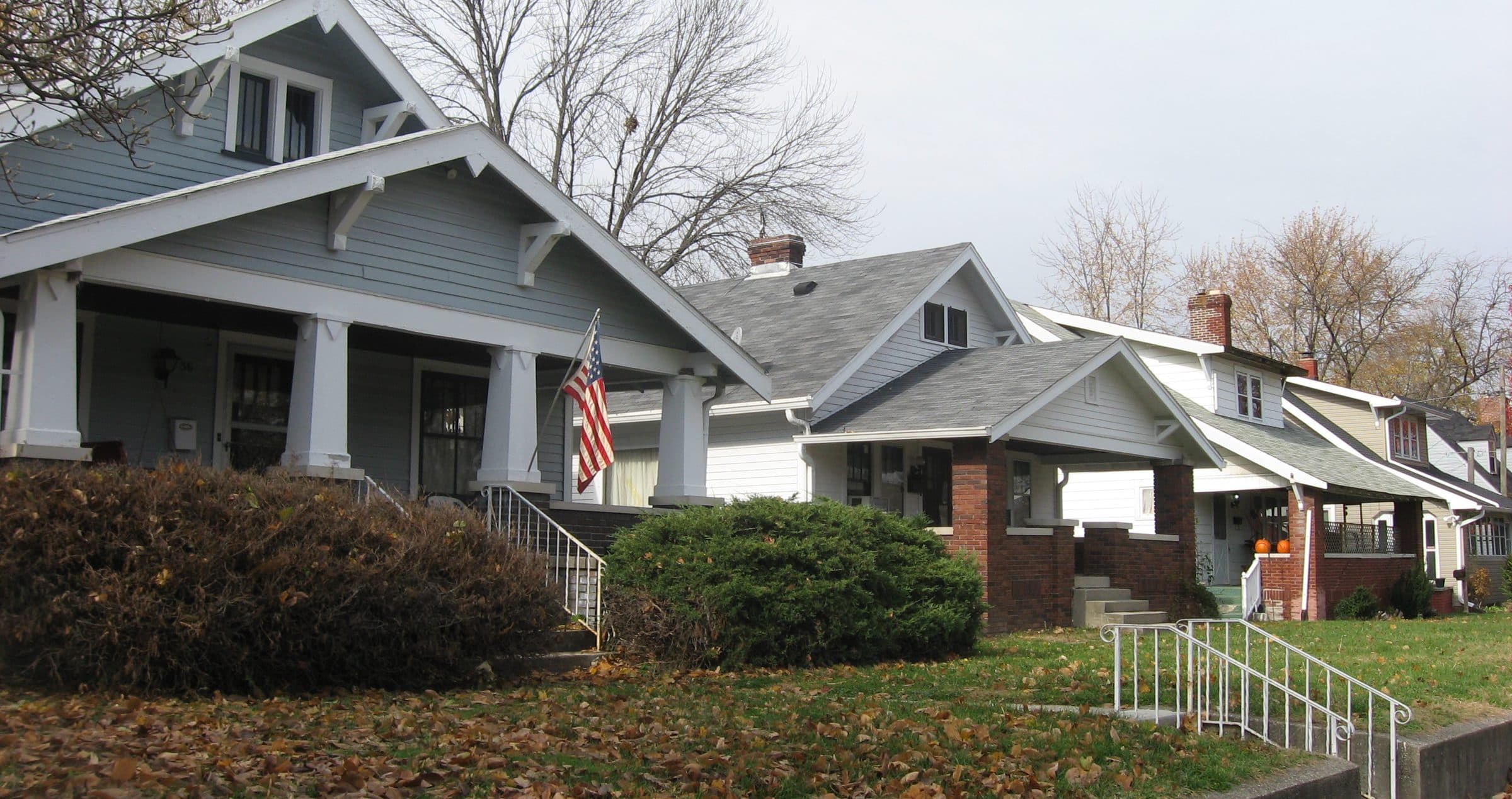
If quarters are full, the real comparison is geography. Extended-stay hotels cluster near interstates and commercial strips, which usually means a short drive to the gate and a long walk to anything resembling a grocery store. Crashpads sit in neighborhoods: residential streets, a real kitchen, a yard, neighbors who are not checking out Sunday morning. For a 90-day course where you are studying four nights a week, that difference is not cosmetic.
Three things to price into the location, not just the rate:
- Gate timing. A 12-minute drive at 0600 can be a 30-minute drive at 0730. Test it, do not estimate it.
- Groceries and a gym. If both are more than 10 minutes away, you will eat out more and work out less. Both cost money.
- Roommates. Shared crashpads are cheaper and usually full of people in your course. Private units cost more and are quieter. Neither is wrong; decide on purpose.
If your next assignment is at the same base, a 90-day TDY is also free reconnaissance. Living in a neighborhood for three months tells you more about commute, schools, and noise than a weekend house-hunting trip ever will — see house-hunting from a crashpad for how to use the time deliberately. And if you want to know how the bidding side works before committing, the four-step process is short.
What is the step-by-step plan for a 90-day TDY?
- Read the per diem block on your orders. Standard rate or reduced rate? Lodging authorized at actual cost, or limited? This single line changes every number below it.
- Pull the city rate for your exact dates. Note whether the window crosses a seasonal bracket or a fiscal-year change.
- Check government quarters and get non-A in writing if they are full. Keep the number, the date, and the name.
- Get at least three commercial quotes. One extended-stay hotel, two private options. Ask each for a total that includes tax, parking, and any cleaning or pet fee.
- Ask the receipt question out loud. "Will I get an itemized receipt showing nightly rate, dates, and taxes?" If the answer is vague, move on.
- Ask the orders-change question out loud. "If my orders are cut short or extended, what happens to the lease and the rate?" Get the answer in the agreement, not in a text message.
- Price the kitchen. Estimate groceries honestly against eating out. This is your real savings line.
- Book, then file early. Submit interim vouchers on schedule so you are not carrying three months of lodging on a government travel card.
Guard and Reserve travelers have an extra wrinkle: annual training (AT), active duty for training (ADT), and active duty operational support (ADOS) orders handle lodging money differently, and amendments are common. The AT and ADOS lodging rules cover what changes and what does not.
How does a crashpad fit a 90-day TDY?
Honestly: it fits when the stay is long enough that a kitchen, laundry, and a quiet place to study are worth more than a front desk and a lobby waffle maker. Under about two weeks, a hotel is simpler. Past 30 days, the balance flips for most people, and by 90 days it is not close.
Base Crashpads was built around that specific problem. You post your base and dates, vetted local hosts bid, we pick the top three, and you choose. Every stay is priced at or below the government lodging rate, every stay comes with itemized, DTS-ready receipts, and lease terms flex with orders — because the company is run by an active-duty Air Force pilot who files the same vouchers you do. We have furnished homes serving bases in twelve states.
We are not going to tell you it always beats the hotel. If your orders carry a reduced per diem, or your base has plenty of open quarters, or the course is three weeks, the math may land somewhere else. Run the worksheet. The number will tell you.
Ready to compare for real? Find a crashpad near your base, see what hosts are offering for your dates, and put it next to your hotel quote line by line.
Frequently asked questions
Do I keep the difference if my crashpad costs less than the lodging ceiling?
No. Lodging on a standard TDY voucher is reimbursed at actual cost up to the ceiling, so a cheaper room means the government pays less — not that you pocket the gap. M&IE is the part you keep. That is why a full kitchen is the lodging feature with real cash value on a long TDY.
Is lodging tax covered on top of the per diem ceiling?
In the continental United States, lodging tax is generally reimbursed as a separate expense with a receipt, rather than counting against the lodging ceiling. Rules differ outside CONUS and can be affected by your orders. Confirm against the current JTR and your service guidance, and keep the itemized receipt either way.
Can a hotel or crashpad charge me more than the per diem rate?
They can charge whatever they want, but anything above your authorized ceiling comes out of your pocket unless your approving official authorizes an actual-expense allowance in advance. Get the total — rate plus tax plus fees — in writing before you commit to 90 nights.
What happens to my lease if my course slips or I wash back?
That depends entirely on the agreement you signed. Hotels usually let you leave with short notice. Private rentals vary a lot. Ask about an orders-change clause before booking, and get the answer written into the agreement rather than promised in a text.
Will DTS accept a receipt from a private rental?
It will if the receipt is itemized — nightly rate, dates of stay, taxes and fees broken out, and the name of the person or company paid. A payment-app screenshot or a single lump-sum line is the most common reason a long-TDY lodging claim gets returned for correction.
Do I still need a non-availability number if I stay in a crashpad?
At most installations, yes. If on-base quarters are available and you choose commercial lodging anyway, your reimbursement can be limited to the government quarters rate. Check first, get the non-A number documented, and attach it to the voucher.