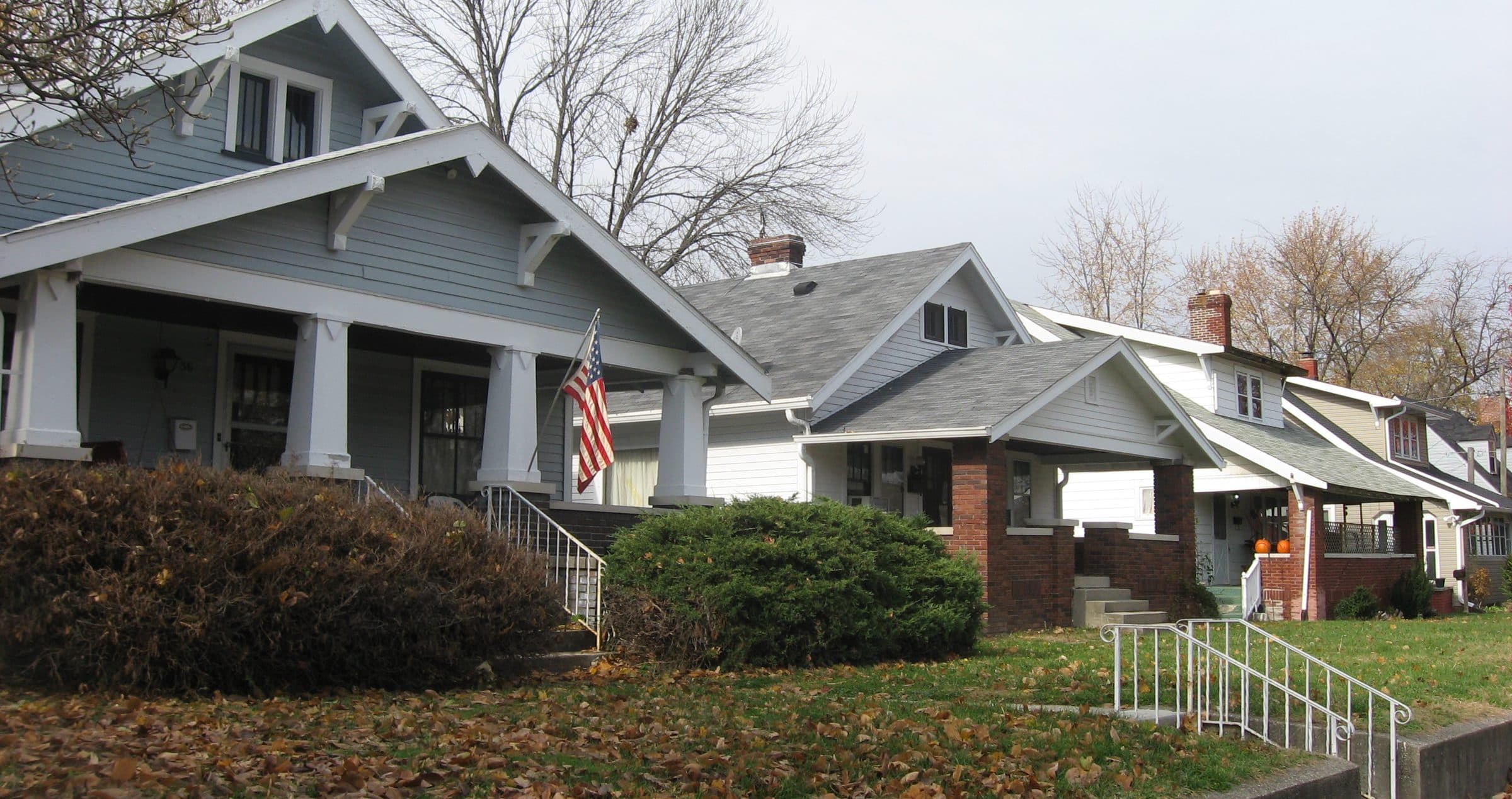
Most training bases cycle a steady stream of people through every month — students on a six-month course, instructors on a 90-day fill, exercise crews in for three weeks. Almost none of them want a hotel room for that long. If you own a house, a townhome, or even a finished basement within a reasonable drive of a gate, you can rent house to military TDY travelers and fill it with tenants whose lodging is already funded by the government. This guide is the host side of that arrangement: how the bidding works, what a DTS-ready receipt actually has to say, and what "flexible lease terms" means when a set of orders changes on a Tuesday. If you already know you want in, you can list your home for military travelers and skip to the numbers.
First, the vocabulary. TDY (temporary duty — the Navy and Marine Corps say TAD) is any assignment away from a member's home station that has an end date. PCS (permanent change of station) is the move itself. Travelers on TDY get per diem: a daily lodging allowance plus M&IE (meals and incidental expenses). Lodging per diem is a ceiling, not a stipend — the traveler is reimbursed for what they actually spend on lodging, up to the cap, with receipts. That single rule shapes everything about how you price a room.
What does it take to rent house to military TDY travelers?
You are not renting to a family on a 12-month lease. You are renting a furnished bedroom or a whole furnished house to a working adult who will be at the squadron most of the day, who needs a desk, a bed, parking, and fast internet, and who will leave when the course ends. That kind of lodging has a name in the military: a crashpad. If the concept is new to you, our explainer on what a military crashpad is covers the traveler's side in detail.
The economics are simple. Because per diem reimburses actual lodging cost up to a nightly cap, a traveler has no reason to shop below the cap on price alone — but every reason to shop on quality. A hotel at the cap gives them 300 square feet and a parking-lot breakfast. A furnished room in a real house at or under the same cap gives them a kitchen, a washer and dryer, a yard, and a garage bay for the rental car. Same voucher, very different three months. That gap is your opening as a host.
Base Crashpads runs it as a reverse auction instead of a listing board. A traveler posts their base and dates through the stay request form. Vetted local hosts near that base see the request and bid. Base Crashpads picks the top three bids on price, location, and property quality, and the traveler chooses one. You are not paying for ads or waiting for a booking that may never come — you respond to demand that already exists, with dates already on paper.
What kind of house works
- Furnished, fully. Bed, mattress protector, linens, towels, desk, chair, lamp, dresser. Kitchen stocked with pots, pans, plates, and a coffee maker.
- Private bedroom with a door that locks. Shared bathrooms are fine if the ratio is sane. Private bath commands more.
- Parking that fits. Most TDY travelers have a rental car. Street-parking-only is a real deduction.
- Internet that holds up. People take online courses and video calls from the kitchen table.
- Laundry on site. Non-negotiable for a 90-day stay.
- A commute under about 30 minutes to the gate. Closer is better, but a quiet neighborhood 20 minutes out beats a loud one at the fence line.
What rules decide the money?
Three things: the per diem ceiling for your base's locality, the receipt, and what happens when orders change.
The per diem ceiling
Lodging per diem is set by locality and published by GSA for the lower 48. It changes by fiscal year and, in some cities, by season. Look up your own base's current rate on the GSA per diem rate page before you price anything, and read our per diem and reimbursement guide so you understand what your guest is actually claiming. Price your nightly rate at or below that ceiling. Above it and the traveler pays the difference out of pocket, which usually ends the conversation.
One wrinkle worth knowing: on many installations, travelers are expected to try on-base lodging first. If the Inn is full, the lodging office issues a non-A (statement of non-availability), which clears the traveler to book off base and be reimbursed. Some bases at some rates issue them constantly; others rarely. Your bookings will follow that pattern, so it is worth asking local guests how easy non-As are at their base.
The receipt
This is the part most private landlords get wrong. Travelers file through DTS (Defense Travel System) and their voucher gets reviewed. A Venmo screenshot is not a lodging receipt. What clears review is an itemized statement showing:
- The property address and the name of the person or business being paid
- The guest's full name
- Check-in and check-out dates
- Nightly rate, number of nights, and any taxes or fees broken out separately
- Total paid and the date paid, with a zero balance
The JTR (Joint Travel Regulations) is the rulebook behind all of this, and it generally requires an itemized lodging receipt for reimbursement. If your guest's voucher gets kicked back because your paperwork was thin, you have created a bad month for someone who works 12-hour days. Every Base Crashpads stay comes with itemized, DTS-ready receipts generated for you — that is one of the main reasons hosts use the platform instead of freelancing it.
When orders change
They do. Courses wash back, students get an extra two weeks of sim time, deployments get moved left. A rigid 12-month lease is useless to a TDY traveler and will cost you the booking. Build in terms that flex with orders: month-to-month after an initial commitment, and an early-release clause when the guest can produce modified or curtailed orders. In exchange, ask for reasonable notice — two to four weeks is standard and fair. Hosts on the platform are paid monthly, which smooths out the gaps between guests.
Two more things to square away before your first booking. Call your insurance carrier and ask specifically about furnished monthly rentals to non-family occupants; a standard homeowner's policy may not cover it. Then check your city or county rules on rentals under 30 days versus 30 days and up — many jurisdictions treat them very differently, and most crashpad stays run 30 days or longer, which often puts you in the friendlier category. A CPA who works with rental property is worth an hour of your time.
What this does to your own housing math
If you are a service member who owns near your base, crashpad income can change what you can carry. Run it honestly. Compare your mortgage payment against what your grade actually draws in BAH (basic allowance for housing) using our breakdown of BAH versus rent at Air Force bases, then test a purchase or a refinance with the home affordability calculator. Renting two spare bedrooms to TDY students is not a business plan by itself, but it is often the difference between a house that squeezes you and one that doesn't. Plenty of owners bought the house in the first place after spending a per-diem-funded month in the area — that is the idea behind house-hunting from a crashpad.
Where should your house be, and what should you charge?
Location decides demand more than finish quality does. Look at where your base's TDY population actually has to be at 0430. Pilot training students report absurdly early and drive home exhausted; anything that adds 20 minutes each way gets rejected. Our UPT survival guide on lodging, schedule, and money lays out that daily rhythm, and it is the best short read for understanding what a student needs from a house.
Pricing: start at the current locality lodging cap, subtract a little, and be honest about what you are offering. A shared-bath room in a four-bedroom house should not price at the same point as a private suite with its own entrance. Whole-house rentals work well for crews and families on PCS overlap — our base directory of crashpads shows how properties near different installations are set up, from single rooms to five-bedroom houses.
If your guests are junior enlisted or brand-new lieutenants, remember they are managing a real budget on top of per diem. The military pay calculator shows what a given grade actually takes home each month. Hosts who price fairly at the bottom of the market keep rooms full year-round instead of chasing peak weeks.
What is the step-by-step plan to host?
- Confirm the demand. Identify the schoolhouses, exercises, and training pipelines at your nearest base. Base guides — the Keesler AFB guide is a good example of the format — show which units drive steady TDY traffic and when the calendar peaks.
- Check the ceiling. Pull the current lodging per diem for your locality and set your nightly price at or below it.
- Clear the paperwork. Insurance, local rental rules, and a plan for itemized receipts.
- Furnish to a 90-day standard. Real mattress, real desk, real kitchen. Nothing that would embarrass you on day 60.
- Photograph it properly. Daylight, every room, the parking, the laundry, the desk. Bids win or lose on photos.
- Register and bid. Read how the request-to-bid process works, then respond to requests near you with a clear price and a straight description.
- Keep the standard. A guest who finishes a course happy tells their next class. Word of mouth in a squadron moves fast in both directions.
How does hosting through Base Crashpads work in practice?
Base Crashpads was founded and is run by an active-duty Air Force pilot, and it exists because the founder kept paying hotel rates for rooms that were worse than a spare bedroom. Furnished homes on the platform now serve bases in twelve states.
For a host, the platform does four things you would otherwise do yourself: it brings you travelers with dated orders instead of tire-kickers, it screens and vets guests, it produces the itemized DTS-ready receipt for every stay, and it pays you monthly. You set your price and decide which requests to bid on. You keep control of your house rules. What you give up is the ability to charge above the government rate — which was never a real market anyway, because the traveler's reimbursement stops at the cap.
It is not passive income. You still turn rooms, replace towels, and answer a text when the water heater acts up. But the guests are employed, background-checked adults with a reason to behave, and the vacancy pattern near a training base is far more predictable than a vacation rental market.
If you own near a base and want to see what the demand looks like before committing, browse crashpads by base and find your installation. Then post your home and start bidding on the travelers already looking for it.
Frequently asked questions
How much can I charge to rent to military travelers?
Price at or below the current lodging per diem ceiling for your base's locality. That rate is published by GSA, changes by fiscal year, and in some cities changes by season, so check the live rate rather than a figure you saw last year. Above the ceiling, the traveler pays out of pocket and will usually pick someone else.
What does a DTS-ready receipt have to include?
Property address, the payee's name, the guest's full name, check-in and check-out dates, the nightly rate, the number of nights, taxes and fees broken out, and the total paid with a zero balance. The Joint Travel Regulations generally require an itemized lodging receipt for reimbursement, and a payment-app screenshot will not clear a voucher review.
What happens if my guest's orders get cut short?
Build an early-release clause tied to modified or curtailed orders into your terms, with two to four weeks of notice. TDY dates move constantly, and a rigid lease will simply lose you bookings. Hosts on the platform are paid monthly, which absorbs some of that turnover.
Do I need special insurance or a business license?
Ask your carrier directly about furnished monthly rentals to non-family occupants — a standard homeowner's policy may not cover it. Then check your city and county rules, which often treat stays under 30 days very differently from stays of 30 days or more. Most crashpad bookings run 30 days or longer. A CPA who handles rental property is worth an hour of your time before your first guest.
Do I have to rent the whole house?
No. Single furnished bedrooms with shared common space are the most common crashpad format, and plenty of hosts rent two or three rooms in a home they still live in. Whole-house rentals suit crews on exercise TDYs and families in a PCS gap. Price each format honestly against what it actually offers.
Who actually stays in a crashpad?
Pilot training and tech school students on multi-month courses, instructors filling short tours, staff officers on long TDYs, exercise participants, and PCSing families waiting on a house to close. Nearly all of them are on funded orders with a fixed end date.